

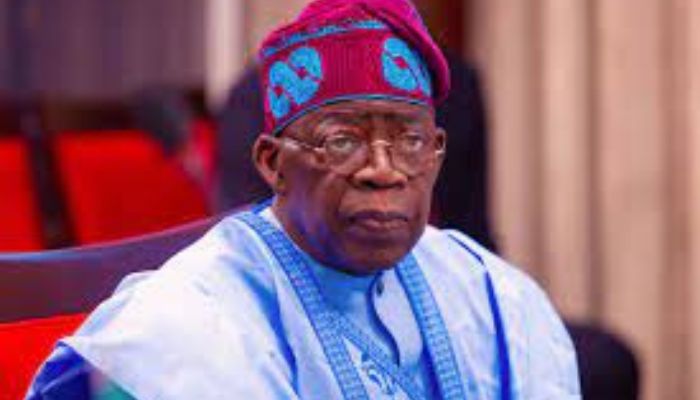
Economic Hardship and Reform: Understanding the Impact of President Bola Tinubu’s Policies
Economic Hardship and Reform: Understanding the Impact of President Bola Tinubu’s Policies
Nigeria is currently experiencing one of the most challenging economic periods in recent years. Rising food prices, higher transportation costs, and increased living expenses have created pressure on households across the country. Much of the public conversation today centers on the economic reforms introduced by President Bola Tinubu, particularly the removal of fuel subsidies and changes aimed at restructuring the nation’s economy.
These reforms were introduced as part of a broader effort to address long-standing structural issues in Nigeria’s economic system. For decades, fuel subsidies had been a major feature of government policy. The subsidies helped keep petrol prices lower for consumers but also cost the government billions of dollars every year. Critics argued that the subsidy system was unsustainable and often benefited middlemen and smugglers rather than ordinary citizens.
When the government announced the removal of the subsidy, it was presented as a necessary step toward economic reform. Supporters of the decision believe that removing the subsidy could free up government funds for investments in infrastructure, healthcare, education, and social programs. In theory, these investments could help strengthen the Nigerian economy over time.
However, the immediate effects have been difficult for many Nigerians. Fuel prices rose sharply following the policy change, leading to increased transportation costs. Since transportation is a key part of the supply chain, higher fuel prices have also contributed to rising food and commodity prices across the country. For families already managing tight budgets, the sudden increase in everyday expenses has been a serious concern.
Businesses have also felt the impact. Small and medium-sized enterprises, which form the backbone of Nigeria’s economy, often rely heavily on transportation and energy. Higher fuel costs have increased operating expenses, forcing some businesses to raise prices or reduce services. Entrepreneurs and market traders have spoken openly about the challenges of maintaining profitability in the current economic climate.
At the same time, economists note that the reforms are highlighting deeper structural issues that have existed in Nigeria’s economy for many years. These include heavy dependence on oil revenue, limited industrial diversification, and gaps in infrastructure and energy supply. The removal of fuel subsidies has exposed how strongly the national economy depended on government intervention to control prices.
Some analysts argue that while the reforms may create short-term hardship, they could encourage long-term economic adjustments. For example, higher fuel prices may push investment into alternative energy sources, more efficient transportation systems, and domestic refining capacity. Over time, these developments could reduce the country’s reliance on imported fuel.
Others, however, stress the importance of social support measures during the transition. Many citizens believe that economic reforms should be accompanied by policies that help protect vulnerable households. Programs such as targeted financial assistance, improved public transportation, and support for small businesses are often mentioned as ways to ease the impact of rising costs.
Public opinion across Nigeria remains mixed. Some citizens support the idea of reform but worry about the pace and immediate consequences. Others believe that deeper economic restructuring is necessary if the country is to achieve sustainable growth and financial stability.
Despite the debate, one thing is clear: Nigeria is currently navigating a period of economic transformation. Decisions made during this period will likely shape the country’s financial landscape for years to come. As discussions continue among policymakers, economists, businesses, and citizens, the challenge will be balancing necessary reforms with policies that support the everyday lives of Nigerians.
The coming years will determine whether these reforms ultimately lead to a stronger and more resilient Nigerian economy